
Build Durable Access from the Ground Up
New Road Installation in Sealy for undeveloped properties requiring access to building sites, pastures, and remote acreage
Rapsilver Company Land Management installs new roads and driveways across Sealy, Texas for landowners developing property that lacks direct vehicle access. You may be preparing to build a home on land that currently has no defined route, or you need a farm road that connects pastures and water sources. Each installation begins with a site walk that identifies the best route based on natural drainage, existing trees, and your long-term usage plans.
The installation process involves clearing vegetation, removing topsoil, and grading a stable base layer that supports vehicle weight without settling. Proper drainage design prevents water from pooling on the road surface or eroding the base during heavy rain. In Sealy's clay-rich soils, crown and ditch placement are planned carefully to shed runoff and maintain a firm travel surface year-round.
If you need a new road that provides reliable access and holds up under regular use, an estimate outlines the route, materials, and timeline before work begins.
What Goes Into a New Road Build
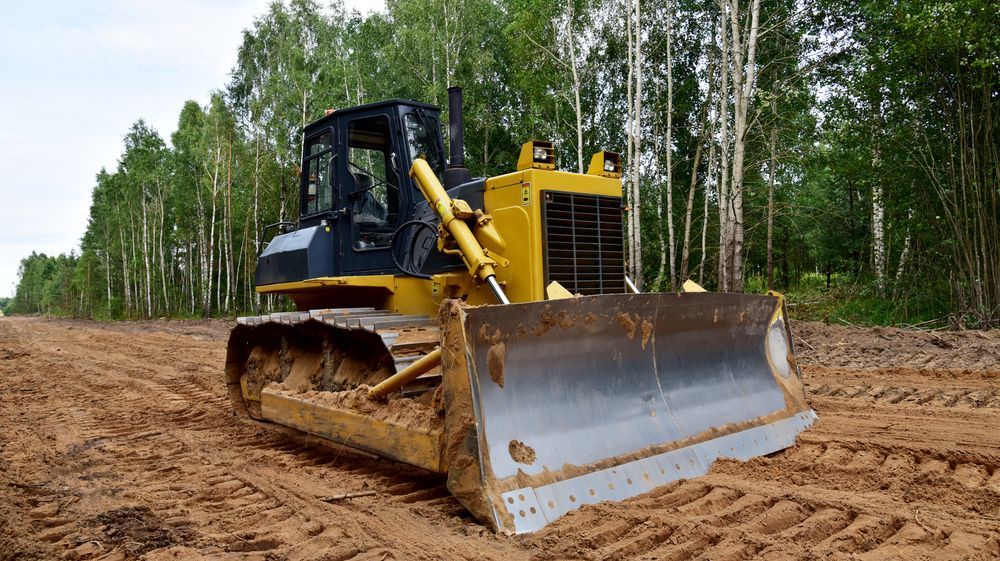
You receive clearing and grading work that removes stumps, roots, and organic material from the roadbed, then establishes the correct slope and elevation. A bulldozer or excavator shapes the base, and a motor grader fine-tunes the surface to create a crowned profile. Base material such as crushed limestone or caliche is hauled in, spread, and compacted to form a stable foundation that resists erosion and rutting.
After installation is complete, you will notice a defined road with firm footing, clear edges, and side ditches that direct water away from the travel lane. Rapsilver Company Land Management builds roads that allow trucks, tractors, and everyday vehicles to reach your property without getting stuck or damaging the surface. Proper construction reduces the need for frequent repairs and extends the road's functional lifespan.
Each project is customized based on your property's topography and intended use. If the road serves a future home site, wider turning radii and utility easements may be incorporated. If it connects pastures, gate placement and livestock crossings are planned into the layout. Culvert installation for drainage crossings is included when needed, but paving or asphalt surfacing is not part of the standard installation.
Common Questions Before Starting a Road
Building a new road involves planning for drainage, materials, and long-term maintenance to ensure the route remains functional and stable.
How wide should a private farm road be?
A single-lane road typically measures ten to twelve feet wide, while roads serving larger equipment or two-way traffic should be at least fourteen to sixteen feet across.
What base material is best for new road construction?
Crushed limestone or caliche with fines compacts well and resists erosion, providing a stable surface that holds up under regular vehicle traffic in Sealy's soil conditions.
When should culverts be installed during road construction?
Culverts are placed where the road crosses drainage channels or low areas that collect runoff, ensuring water can pass underneath without washing out the roadbed.
What permits are required to build a private road in Sealy?
Most private roads on your own property do not require permits, but you should confirm with your county if the road crosses a floodplain, wetland, or public right-of-way.
Why does topsoil need to be removed before grading?
Topsoil contains organic matter that compresses and shifts under weight, so removing it and building on stable subsoil prevents settling and maintains a firm road surface over time.
Rapsilver Company Land Management plans and builds roads for properties throughout Sealy, providing access routes that support development and land management goals. Reach out to discuss your property's layout and receive an installation estimate tailored to your needs.