Custom Water Features Built to Last
Lakes and Ponds Construction in Sealy for livestock watering, irrigation systems, and recreational property use
Rapsilver Company Land Management builds lakes and ponds across Sealy, Texas for landowners who need functional water features that serve practical purposes. You may need a pond to support livestock watering during dry months, manage drainage runoff from fields, or add a fishing area that increases property value. Each project begins with a site evaluation that considers your land's natural grade, soil composition, and water flow patterns to determine the best location and depth for long-term performance.
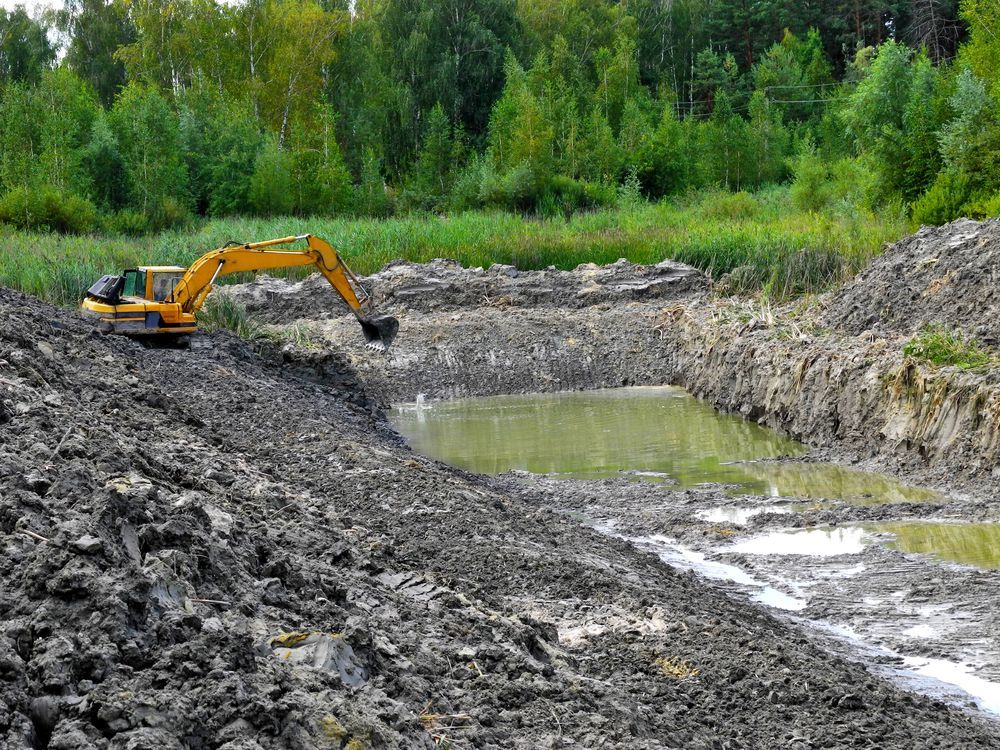
The construction process involves excavation that removes soil and shapes the basin to hold water reliably throughout the year. Proper shaping prevents erosion along the banks and ensures that rainfall and groundwater feed the pond consistently. In areas where clay content is low, additional liner material may be recommended to prevent seepage. Drainage channels and overflow routes are planned to protect surrounding land during heavy rain events common in this region.
If you need a water feature that supports your land's agricultural or recreational goals, a consultation helps define the scope and layout before excavation begins.
What the Build Process Includes
You receive a complete site preparation that includes clearing vegetation, marking boundaries, and identifying underground utilities before excavation equipment moves onto your property. The excavation itself uses tracked machinery to remove soil in layers, creating the depth and slope needed for water retention. Spoil material is stockpiled and can be used to build berms, level access roads, or fill low areas elsewhere on your land.
After the pond is shaped, you will notice a defined basin with graded banks that resist erosion and allow livestock safe access to water. The finished feature holds rainwater and groundwater, reducing the need for well-pumped irrigation during dry periods. Rapsilver Company Land Management completes grading work that directs surface water into the pond while preventing sediment buildup that shortens its lifespan.
Each project is customized based on your land's topography and your intended use. If you plan to stock fish, additional depth and aeration considerations apply. If the pond supports irrigation, outlet structures and pipe installations are included in the planning phase. Ongoing maintenance such as vegetation control and sediment removal is not part of the initial construction but can be arranged separately.
Questions Landowners Ask Before Building
Planning a pond involves understanding site conditions, water sources, and long-term performance factors that affect durability and function.
How deep should a livestock pond be?
Your pond should reach at least eight to twelve feet at the center to maintain water levels during summer heat and provide thermal stability for aquatic life if you plan to stock fish.
What determines whether a pond will hold water year-round?
Soil composition and groundwater levels matter most, and a percolation test identifies whether your site has enough clay content to prevent seepage without adding a synthetic liner.
When is the best time to excavate a pond in Sealy?
Fall and winter months offer drier soil conditions that allow equipment to work efficiently and reduce the risk of rain-related delays during construction.
What permits are required for pond construction?
Most residential and agricultural ponds in Texas do not require state permits, but you should confirm with your county regarding setback requirements and water rights if the pond will be larger than one acre-foot.
Why does spoil placement matter during excavation?
Properly placed spoil dirt can form berms that control water flow, create windbreaks, or improve access routes, while poorly placed material can block drainage or settle unevenly over time.
Rapsilver Company Land Management works with landowners in Sealy to plan and build water features that meet specific agricultural and recreational needs. If you are ready to add a pond that improves land function and value, reach out to discuss site conditions and project timelines.