
Dig and Shape the Ground for What Comes Next
Excavation in Sealy for foundations, drainage lines, and construction sites that require precise cuts and stable subgrade
Clear Your Land performs excavation in Sealy, Texas for property owners preparing to pour a foundation, install underground utilities, or establish proper drainage before building. When you need a trench dug for a water line that connects a new barn to your well, or a pit excavated for a septic tank that meets county depth and setback requirements, the work must be accurate enough to avoid rework and stable enough to support the system once it is installed.
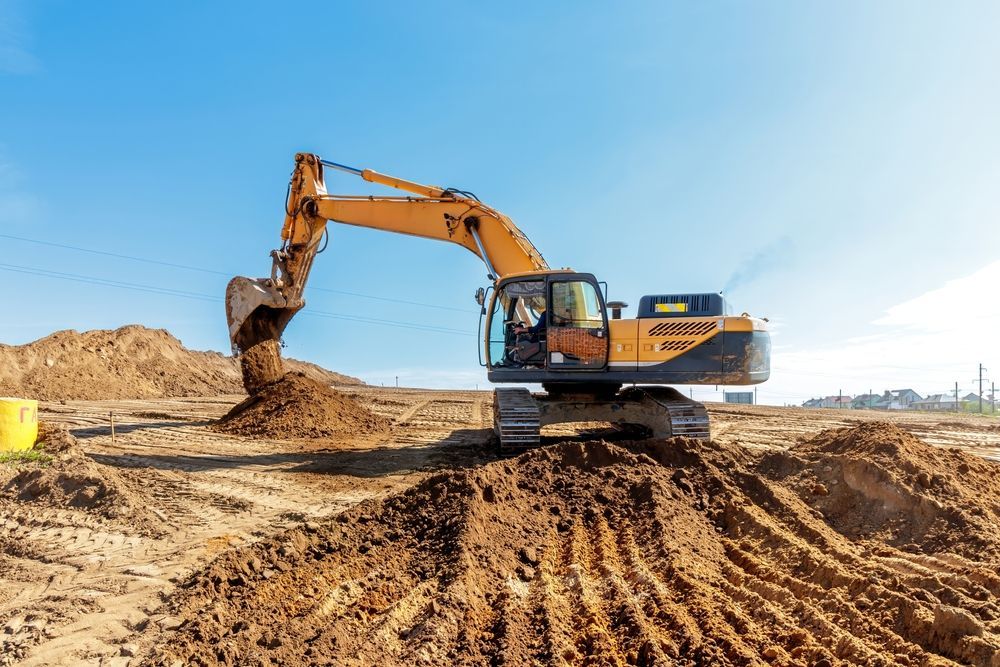
The excavation process uses a tracked excavator or backhoe to remove soil in controlled passes, following marked lines that indicate depth, width, and slope. For foundation work, the cut must reach undisturbed soil or engineered fill that can bear the weight of the structure without settling. For drainage trenches, the bottom must slope consistently to move water downhill without pooling. Spoil dirt is stockpiled on site for backfill or grading, or hauled away if the volume exceeds what you need for other phases of the project.
If you have a residential or commercial project that requires excavation, reach out to Clear Your Land for an estimate that accounts for soil conditions, access, and the depth and volume of the cut.
How the Work Progresses and What You See After
You will see the operator position the excavator at the edge of the marked area and begin removing soil in layers, starting shallow and working down to the required depth. The bucket pulls dirt toward the machine, deposits it in a truck or pile, then returns for the next pass. Trenching for utilities follows a straight or gently curving path, with the sides cut as steeply as soil stability allows to minimize the width of the disturbance while still providing safe working room for installers.
After the excavation is complete, you will have a cut that matches the depth and dimensions specified in your plans, with the bottom compacted or left loose depending on what gets installed next. The edges will be clean enough for formwork or pipe bedding, and the surrounding grade will remain intact unless the excavation required temporary access ramps or staging areas. Clear Your Land does not perform concrete work, plumbing, or electrical installation, but the site will be ready for those trades to begin without additional prep.
Heavy rain can fill an open excavation quickly in Sealy, so timing the dig close to the installation phase reduces the chance of standing water or collapsed sidewalls. If delays occur, covering the cut with tarps or pumping out accumulated water may be necessary before work can resume.
Questions About Excavation Work
Property owners often ask how deep the excavation will go, what happens to the removed soil, and how weather affects the timeline.
How deep can you excavate?
Depth depends on equipment and soil conditions, but most residential and light commercial projects require cuts between two and twelve feet, which standard excavators handle without issue.
What happens to the dirt that gets removed?
Spoil dirt is stockpiled on site for backfill or grading unless you request removal, in which case it is hauled off and the cost is added to the project total.
When should I schedule excavation relative to other work?
Plan the dig close to the installation date for utilities or foundations so the cut does not sit open long enough to collect water or require re-cleaning before the next crew arrives.
Why does soil type matter for excavation?
Clay holds its shape better in vertical cuts but becomes slippery when wet, while sandy soil drains quickly but requires shoring or sloped sides to prevent collapse during work.
How do you ensure the excavation matches the plans?
The crew uses stakes, string lines, and measuring tools to mark depth and width before digging, then checks progress with a level or laser to maintain consistent grades throughout the cut.
Clear Your Land provides excavation services for residential and commercial clients throughout Sealy, often as part of broader site preparation projects that include grading and clearing. If your project requires digging that needs to happen on schedule and to specification, contact the team to discuss your timeline and site conditions.